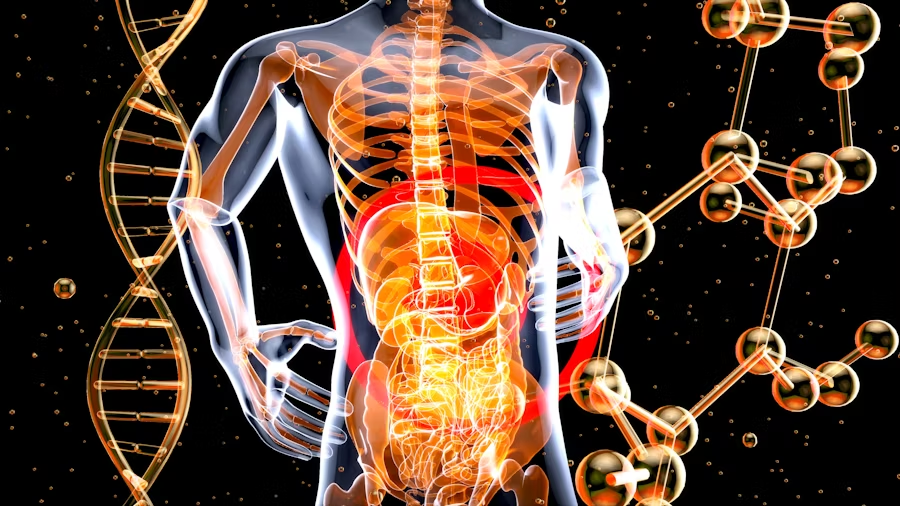
Our biology or physiology is the source of everything that we are. They set the basic parameters and limits of all our functions and experiences as human beings. If we don’t work well enough physically, every other aspect of our being will be significantly affected. If we cannot keep ourselves alive physically, we cannot do anything. We simply cease to exist. It is therefore critically important to know how we work at the physical level. What are we made of? How do we work normally? What are our physical limits? How do we keep ourselves working optimally within our individual limits?
~ Genetics
This is what we start with. This is what we inherit from each parent encoded in 23 pairs of chromosomes, half from each parent. One hundred percent of our physical characteristics come from our parents. We can maintain them, enhance them, or damage them, but we can’t replace them. Our genes define us in fundamental ways.
What unique packet of genes did I inherit?
How does my genetic inheritance define me, limit me, or empower me?
~ Gender
Gender is not as black and white as people once thought. It is more of a sliding spectrum of multiple gender characteristics determined by genetics, and biological and social development, rather than a simple two-pole switch. Our gender identity is one of the most fundamental elements of our self-identity and our social identity. Do you understand your gender characteristics and how they affect who you are, how you think, how you feel, what instincts drive you, what you desire, and how you behave?
How feminine are you?
How masculine are you?
Which typical masculine or feminine traits do you possess and feel?
Which gender do you mostly identify with in social gender traits?
Which gender do you mostly identify with or are attracted to in sexual and erotic attraction and sexual partnerships?
~ Physiological health
Do you have any inherited medical conditions, physical disabilities, or any significant injuries that may limit your physical functioning?
How physically fit are you?
Are you overweight?
Are your basic physical health indicators in the normal range for your age?
Do you have allergies?
Do you experience chronic or abnormal pain or tiredness?
Do you have adequate physical strength, energy, and stamina to complete your life tasks and activities?
Do you feel mentally alert and attentive?
~ Dietary needs
What types of foods are good for you, and what types are bad for you?
How much of what types of food should you eat for the best health?
~ Habits & patterns that affect physical health
Are you consistently eating the best diet for your individual nutritional needs, or do you eat mainly what tastes “good” or just whatever is the norm in your culture?
Do you consistently maintain healthy hygiene habits for all parts of your body?
Do you have any dangerous or risky behaviors and habits such as smoking, excessive drinking, drug abuse, overeating, over-exercising, over-working, that can cause short or long-term health risks?